%20(1)%20(1)-1%20(1)-1-400x280.webp)
Digital Detox for Kids: An Analog Summer Guide
Learn how to do a digital detox for kids with screen-free routines, outdoor play, and digital detox camps that build healthier habits.

TL;DR: You don’t need to move off‑grid to give your child an “analog summer.” Start with a simple digital detox for kids, set clear family rules, stack the day with movement and connection, and use teacher‑led summer camps as built‑in phone‑free zones.
 Active outdoor play is one of the easiest ways to support a digital detox for kids.
If you’ve ever called your child’s name three times before they can tear their eyes away from a screen, you’re in good company. During the school year, homework, group chats, and sports schedules all tend to funnel through devices, and habits build up fast.
An “analog summer” doesn’t mean zero tech and zero fun. It means your child’s best memories come from grass stains, chalk dust, and campfire stories instead of endless scrolling. In this article, we’ll walk through an Analog Summer 5‑Step Plan you can adapt at home, and how the right summer camp can make a screen‑light routine much easier to stick to.
Table of Contents
- Why an “analog summer” matters for kids
- What a digital detox for kids actually looks like
- How to do a digital detox for kids this summer: the Analog Summer 5‑Step Plan
- Turning summer camp into a built-in digital detox
- A sample “analog summer” week you can copy
- Finding the best summer camp near Woodbridge, Richmond Hill & Unionville
- FAQs about screens, summer, and camp
Why an “analog summer” matters for kids
- More face‑to‑face friendships and easier social skills
- More movement, which usually means better sleep and moods
- More creativity, those “I’m bored” moments push kids to invent games, not just open apps
- More confidence from trying new things and seeing progress
That reset matters because kids now spend a lot of time on screens. A 2021 U.S. survey found that 8‑ to 12‑year‑olds average about 5½ hours of entertainment screen media a day, while 13‑ to 18‑year‑olds average about 8½ hours, not including schoolwork. Canada’s 24‑Hour Movement Guidelines instead recommend at least 60 minutes of moderate‑to‑vigorous physical activity and no more than two hours of recreational screen time per day for children and youth ages 5–17. These screen‑time estimates come from research by Common Sense Media.
What does a digital detox for kids actually mean?
When parents hear “digital detox camps” or “screen‑free weeks,” it can sound a bit extreme. In reality, a healthy reset is usually more about balance than bans.
A realistic digital detox for kids usually includes:
- Short, predictable windows for games or shows instead of all‑day grazing
- No‑screen zones (bedrooms, dinner table, in the car with friends)
- Clear purposes for tech use: connecting, creating, learning, rather than filling every quiet moment
- Lots of alternatives: sports, biking, art, reading, camp, neighbours, cousins, card games and mud pies
Think of it as swapping auto‑pilot scrolling for a summer where your child’s best stories start with, “Remember that time at camp when…” instead of “Remember that level I finally beat…”.
Common mistakes parents make with digital detox (and simple fixes)
- Going “cold turkey” overnight. Sudden no‑screens rules almost guarantee pushback, so give kids a few days’ notice and phase in new limits.
- Being vague about the rules. “Less screen time” is confusing; set specific times, places, and apps, and post the rules where everyone can see.
- Forgetting to plan fun alternatives. If there’s nothing better to do, kids default to devices, so line up simple options: friends, parks, bikes, crafts, camp.
 Planning summer screen rules together helps kids buy into a digital detox.
How to do a digital detox for kids this summer: the Analog Summer 5‑Step Plan
Wondering how to do a digital detox for kids without daily arguments? Here’s our Analog Summer 5‑Step Plan that works for most families.
- Start with a family chat, not a surprise shutdown. Share why you’re hoping for a more analog summer: more fun outside, fewer screen fights, better sleep. Ask your child what they want out of summer too, friends, sports, art, camp, later bedtimes.
- Do a quick screen “checkup” together. For a few days, notice when and where screens creep in: early mornings, after dinner, during transitions. You don’t need a spreadsheet, just enough detail to see your patterns and talk about them.
- Build a simple Family Media Plan. Decide together:
- Where screens live (not in bedrooms overnight)
- When they’re okay (e.g., after outdoor time or chores)
- What content is in‑bounds
- Design a “summer day rhythm” around movement and connection. Build your routines around movement and connection first, then add small amounts of screen time:
- Morning: movement (bike ride, park, or heading to teacher-directed day camp)
- Afternoon: quiet time (reading, Lego, art)
- Evening: family time (walk, board game, backyard soccer)
- Make an analog boredom toolkit, and hold the line kindly. Keep a visible bin or shelf stocked with sidewalk chalk, books, balls, cards, craft supplies, and puzzles. When your child says, “There’s nothing to do,” point to the toolkit before the tablet. Expect some testing of the new rules; stay calm and consistent, and keep reminding everyone what you’re saying “yes” to this summer: friends, freedom, and fresh air.
Turning summer camp into a built-in digital detox
Here’s the honest truth: the easiest way to keep kids off screens is to give them something better to do. That’s where summer camp comes in, especially for working parents who need full‑day coverage.
What to look for in a digital detox camp for kids
When you search for “digital detox camp for kids” or “digital detox camps,” you’ll see everything from wilderness expeditions to neighbourhood day camps. Regardless of style, look for:
- Clear phone and device policies so camper days stay off‑screen
- Teacher‑like structure that keeps kids engaged without devices
- High‑movement programming, sports, dance, and outdoor games
- Hands‑on creativity through art, STEM, and robotics off‑screen
- Staff who model healthy tech habits and focus on face‑to‑face connection
How Rouge Camps supports an “analog summer”
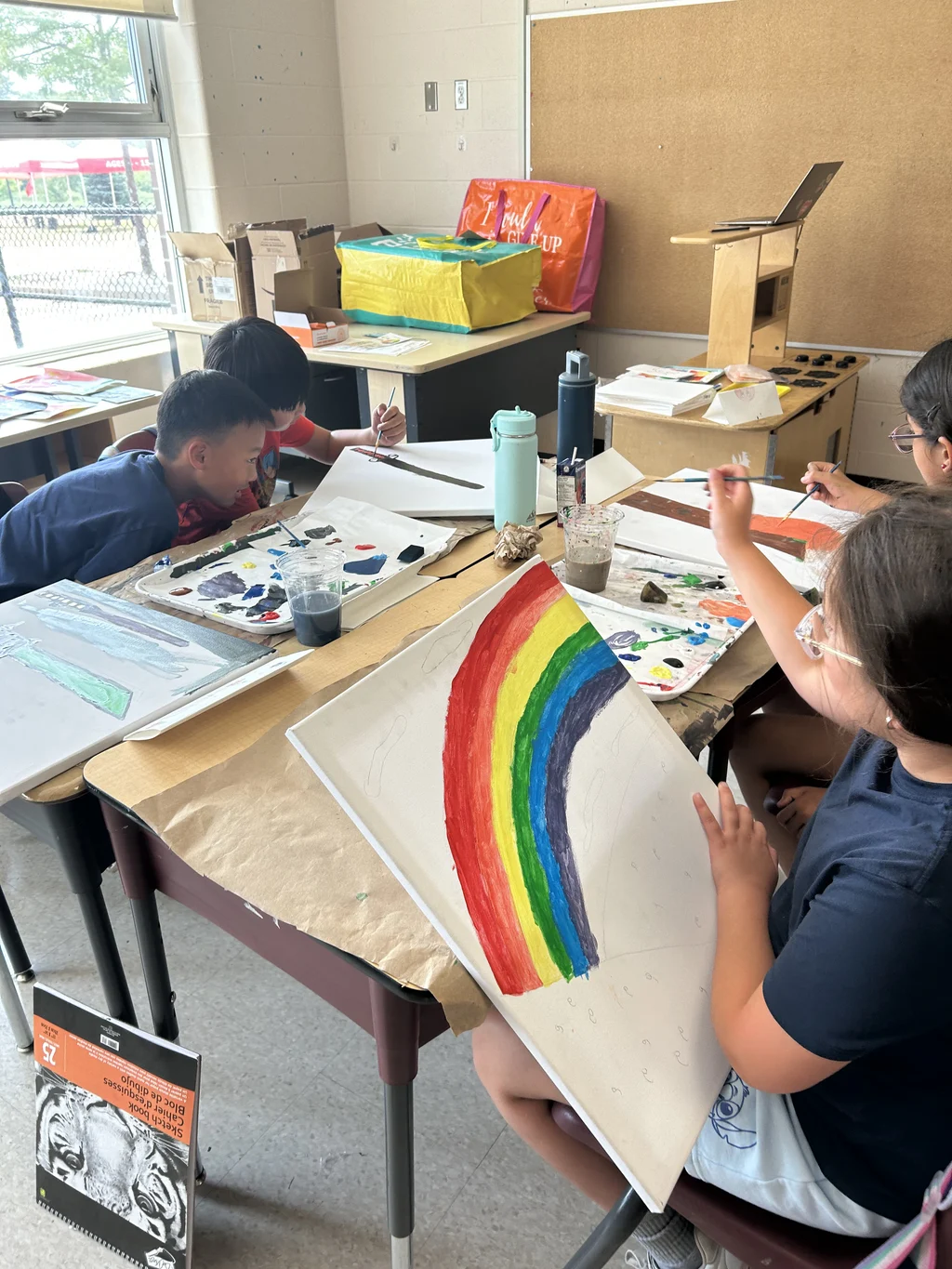
 Teacher-led camp days keep kids active, engaged, and happily off screens.
At Rouge Camps, our teacher-directed summer camps across York Region are designed to keep kids moving, learning, and laughing all day, no scrolling required. Campers rotate through sports, games, and creative activities with counsellors who know how to keep a whole group engaged without screens.
From multi‑sport programs to specialty options like art and robotics, the focus is always the same: real‑world skills, real‑life friends, and that classic “overnight camp feel” in a convenient day‑camp format. For many families, camp becomes the natural anchor for their whole summer digital detox plan: screens come out for a short window at home, but camp days are fully analog.
One parent of two daughters wrote that Rouge Camps has given them “peace of mind” while keeping their girls active and happy throughout the summer. For families worried about too much indoor, screen‑heavy time, that kind of structure can make a big difference.
A sample “analog summer” week you can copy
Want something you can put on the fridge? Here’s a simple week that blends home and camp days, with built‑in screen limits.
Day | Daytime | Evening | Screen Plan |
Monday | Sports camp day (team games) | Family walk + card game | 30 mins show after dinner |
Tuesday | Camp day (art & outdoor play) | Neighbourhood bike ride | No solo devices in bedrooms |
Wednesday | Home day: library + park | Board game night | One movie night together |
Thursday | Camp day (theme day / water games) | Help cook dinner | Quick check of messages only |
Friday | Camp day (team challenges) | Backyard picnic with friends | No screens after 6 p.m. |
 A simple weekly routine posted where kids can see it makes an analog summer feel doable.
Use this as a starting point: keep screens to small, predictable doses so the week’s highlights come from camp stories, not apps.
Finding the best summer camp near Woodbridge, Richmond Hill & Unionville
When you’re searching for the best summer camp, it helps to think about both logistics and philosophy: Can I get there easily? Do the hours work for our family? And will this camp actually support the screen habits we care about?
For families looking at summer camps Woodbridge, our Woodbridge location offers teacher‑led sports and specialty programs at a convenient neighbourhood school campus, ideal if you want your child active, supervised, and off devices all day.
If you’re comparing Richmond Hill summer camps, the Rouge Camps Richmond Hill site blends multi‑sport fun, leadership opportunities for older campers, and specialty weeks like robotics and art. The structured schedule keeps kids so engaged they barely remember they even own a tablet.
Closer to Markham and looking for a Unionville summer camp? Our Unionville location serves families around Highway 7 and Kennedy with the same teacher‑directed approach, active programming, and community feel.
Not sure which program is right for your child? You can explore options like Little Movers, Big Movers, Sports Camp, Art Camp, Dance, and Leadership on our site, or check out specialty details such as Rouge Camps Art Camp. All of them share the same foundation: busy days, real‑life friendships, and no time to miss screens.
FAQs about screens, summer, and camp
Will my child resent a digital detox?
Kids push back on almost any new limit at first, bedtime, chores, vegetables, you name it. The key is to pair limits with something they genuinely enjoy. A week of sports camp Richmond Hill with friends, games, and challenges gives them so much to talk about that the smaller screen windows at home feel less like punishment and more like a trade.
How long should a digital detox for kids last?
A reset can be surprisingly effective even in a short window. Many families aim for one to two weeks of clearer rules at the start of summer, then keep lighter limits in place for the rest of the season. Younger kids may do well with a few structured screen‑light days each week, while older kids might benefit from longer stretches when they’re busy with friends, sports, or camp.
What if my child “needs” a phone for safety?
Many day camps ask that phones stay at home or in bags during the day so kids can be fully present. If you’re worried about safety, check your camp’s phone policy and keep the main office number handy so you can always get a message to your child.
Can this work if my child loves gaming?
Absolutely. You don’t have to ban games; just decide when gaming fits (for example, on weekend afternoons after outdoor time), make those windows predictable, and keep devices out of bedrooms overnight. The rest of the time, fill your child’s days with things that compete with gaming, camp friends, sports, art projects, bike rides, and backyard adventures.
Final thought: Less scrolling, more summer stories
Years from now, your child probably won’t remember which show they binged in July. They will remember the counsellor who learned their name on day one, the friend they met in line for lunch, the time their cabin finally won capture‑the‑flag, or the painting they were proud to bring home.
If you’re ready to trade endless “Just five more minutes?” battles for a more analog summer, pairing a simple family screen plan with a teacher‑led day camp is one of the easiest ways to start. Spots at Rouge Camps, from Little Movers to Leadership Camp, fill quickly each year, so if you’re considering a week (or several), this is a great time to secure your child’s place.
Have questions about schedules, programs, or screen policies? Our team is happy to help, start with our FAQ page or reach out directly through our contact form.
FAQs
What is a digital detox for kids?
A digital detox for kids is a planned break or reduction in recreational screen time that helps children spend more time outdoors, build social skills, improve sleep, and focus on real-world activities like sports, art, camp, and family connection.
How do you do a digital detox for kids without constant arguments?
The best way to do a digital detox for kids is to create clear family screen rules, offer fun alternatives like outdoor play and summer camp North York, and gradually reduce screen time instead of banning devices overnight.
What are digital detox camps for kids?
Digital detox camps for kids are camps that encourage screen-free experiences through active games, sports, creative activities, teamwork, and outdoor play. These camps help children build friendships and confidence away from phones and tablets.
Why is summer camp good for reducing screen time?
Summer camps naturally reduce screen time by keeping kids busy with structured activities, movement, and social interaction throughout the day. Many parents choose camps as part of a healthy digital detox strategy for kids during summer break.
What makes Rouge Camps one of the best summer camp options for families?
Rouge Camps combines teacher-led programming, active outdoor games, sports, art, leadership activities, and structured routines that keep children engaged without relying on screens. Families searching for the best summer camp in Woodbridge, Richmond Hill, or Unionville often choose Rouge Camps for its balanced and highly active environment.
Are there digital detox summer camps near Woodbridge, Richmond Hill, and Unionville?
Yes. Families looking for summer camps in Woodbridge, Richmond Hill summer camps, or a Unionville summer camp can find teacher-directed day camp programs at Rouge Camps that support healthy screen habits through active, social, and creative programming.