%20(1)%20(1)-1%20(1)-1-400x280.webp)
Why Leadership Training for Teens is Essential for University Apps
See how a leadership in training program helps teens build confidence, skills, references, and real stories for university applications.
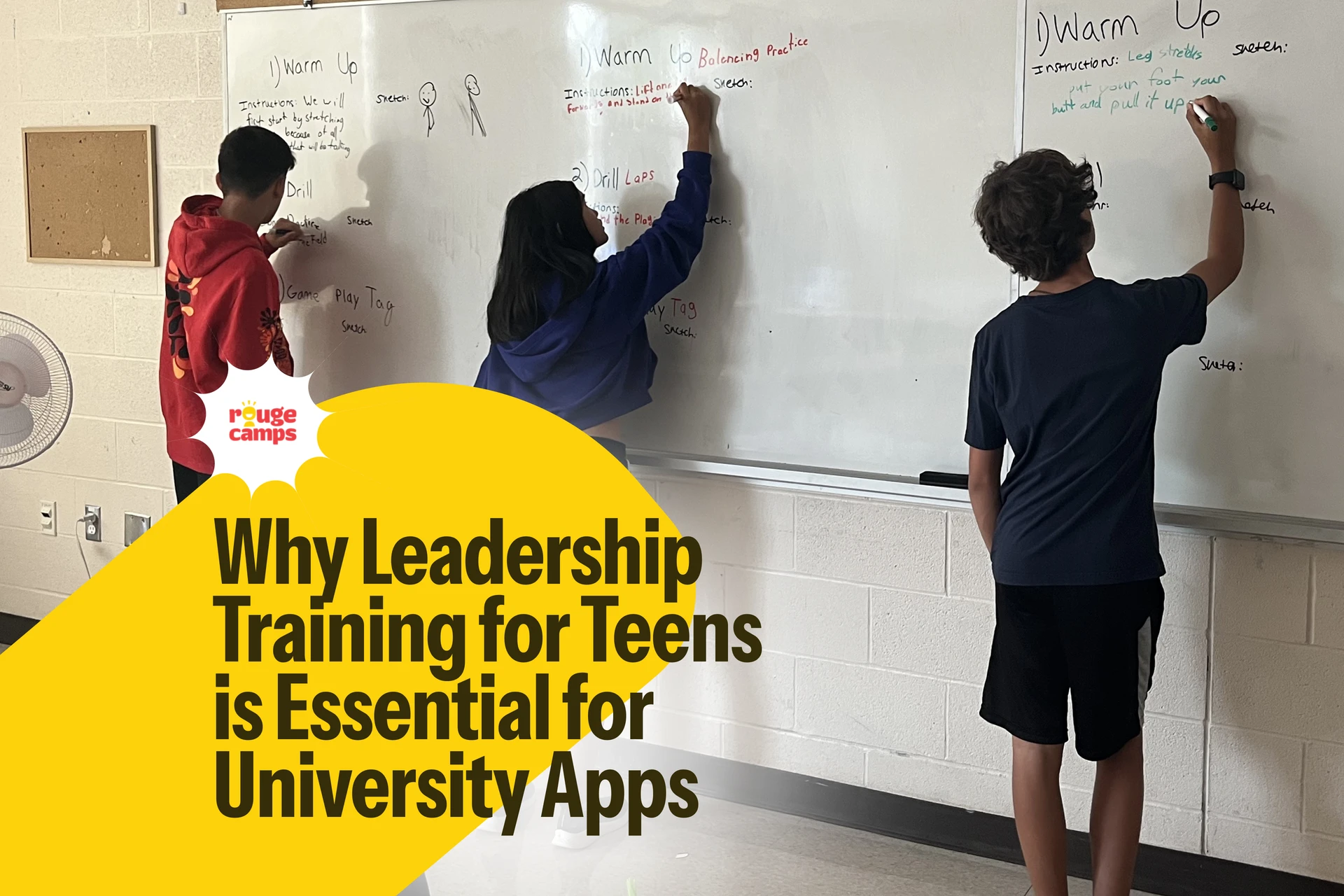
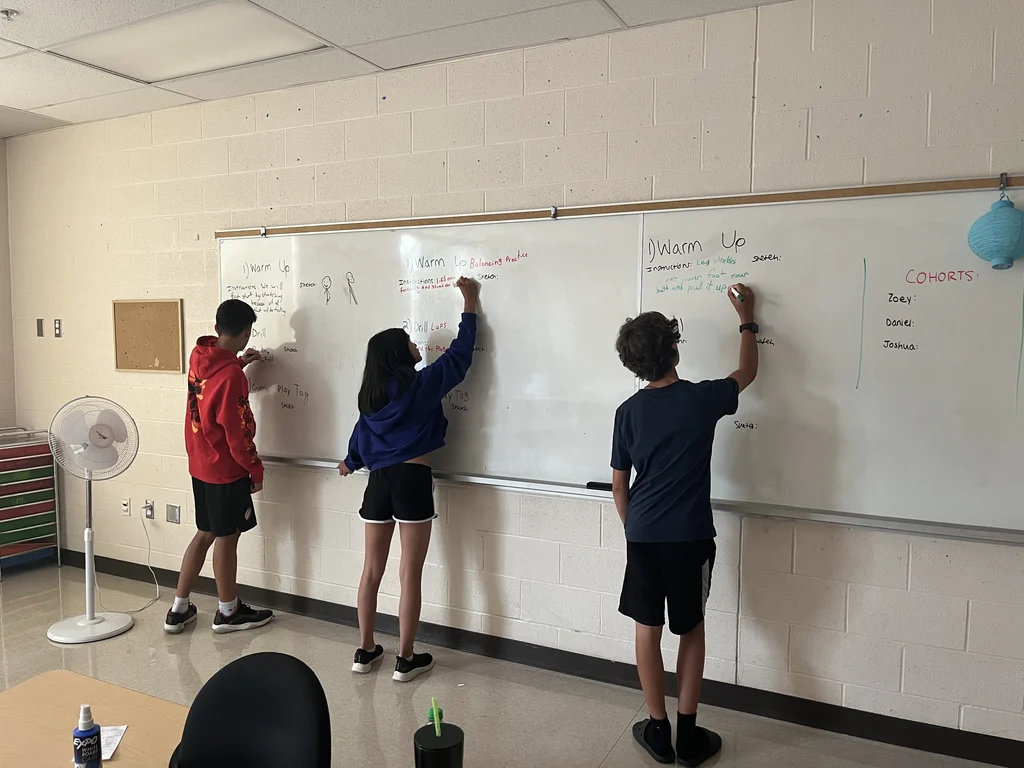
Leadership training gives teens real-world experience working with peers in supportive outdoor settings.
Your teen might only be in Grade 9 or 10, but university talk pops up earlier than ever. Maybe a guidance counsellor mentioned OUAC, or an older cousin is wrestling with personal essays. As parents, you start asking the big question: how can my child stand out for admissions without burning out?
That’s where leadership in training comes in.
Done well, leadership training gives teens real stories, references, and skills they can carry into high school, part-time work, and eventually their university applications. In this article, we’ll look at how a structured Leadership Camp experience, like the one we run at Rouge Camps’ Leadership-in-Training program across York Region, can quietly stack the deck in your teen’s favour.
TL;DR:
- Many competitive programs look beyond grades to leadership, initiative, and character.
- A structured leadership in training program gives teens real responsibility, coaching, and references.
- Local options like Richmond Hill summer camps and summer camps Woodbridge can double as leadership labs for future university applications.
Table of Contents
- What universities actually look for (beyond grades)
- What is a leadership in training program?
- 7 ways Leadership Camp strengthens university applications
- Leadership training vs. “just volunteering”
- How admissions teams view leadership
- How Rouge Camps’ Leadership-in-Training works
- How to showcase camp leadership on applications
- Is Leadership Camp right for my teen? (FAQ)
What universities actually look for (beyond grades)
In Ontario, many programs still make decisions mainly on grades. At the same time, more schools and specific programs are asking for supplementary applications, personal profiles, or short-answer questions that highlight activities and leadership. The Ontario Universities’ Application Centre (OUAC) even includes sections where some applicants can list extracurriculars and responsibilities.
Across Canada and the U.S., admissions teams say they pay close attention to:
- Evidence of initiative and follow-through
- Leadership roles in clubs, sports, camp, or community
- Teamwork and conflict-management skills
- Service and contribution to others
- Resilience when things do not go according to plan
Research from the National Association for College Admission Counseling (NACAC) shows that just over half of surveyed four-year colleges rate extracurricular activities as having at least “moderate” importance in admission decisions, and a similar share say the same about positive character attributes. Together, these factors help distinguish students who have strong grades from those who also contribute meaningfully to their communities.
Grades open the door; leadership and character often decide what happens once you’re in the room.
Leadership training gives teens real moments they can draw on when a supplementary form or scholarship asks, “Tell us about a time you led others” or “Describe a challenge you faced and how you responded.”
What is a leadership in training program?
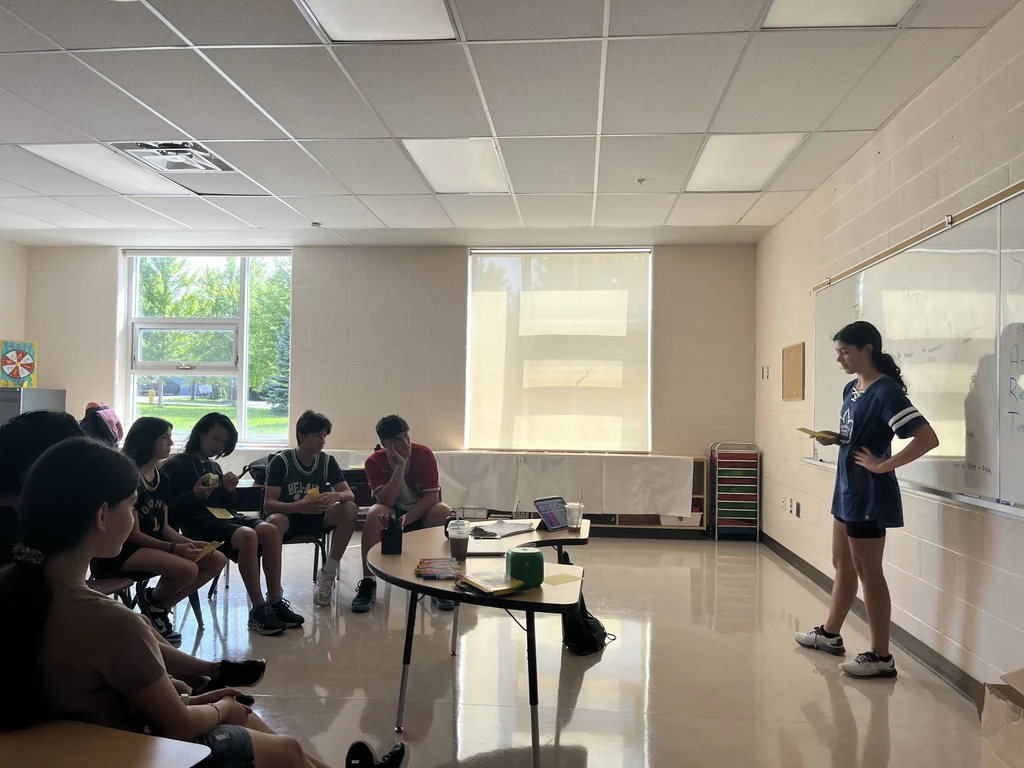 Leadership in training programs often blend guided workshops with hands-on practice.
A leadership in training program (often called LIT) is a bridge between being a camper and becoming a counsellor or student leader. At Rouge Camps, our LIT teens are 13–15 years old, old enough to take on responsibility, young enough to appreciate coaching.
Instead of just “helping out,” LIT teens work through a mix of:
- Workshops on topics like communication, goal-setting, and working with younger campers
- Hands-on practice assisting counsellors in our Sports Camp, art, or robotics programs
- Reflection and feedback with Ontario Certified Teacher directors after real camp situations
Think of Leadership Camp as a safe, structured “test drive” for leadership: lots of support, real responsibility, and space to try, stumble a little, and grow.
7 ways Leadership Camp strengthens university applications
1. A clear leadership story, not just a list of activities
Admissions readers see thousands of activity lists. What stands out is a coherent story: “I started helping at summer camp, then became a junior leader, then a club captain, then mentored younger students.” A summer LIT program gives your teen the starting chapter of that story.
2. Stronger personal essays and short-answer responses
Programs that use holistic review , including some business, engineering, and education programs, often ask for essays or short-answer forms about leadership, initiative, or community impact. Sites that coach Ontario applicants, like Global Admissions, point out that leadership and extracurriculars help applicants stand out when grades are similar.
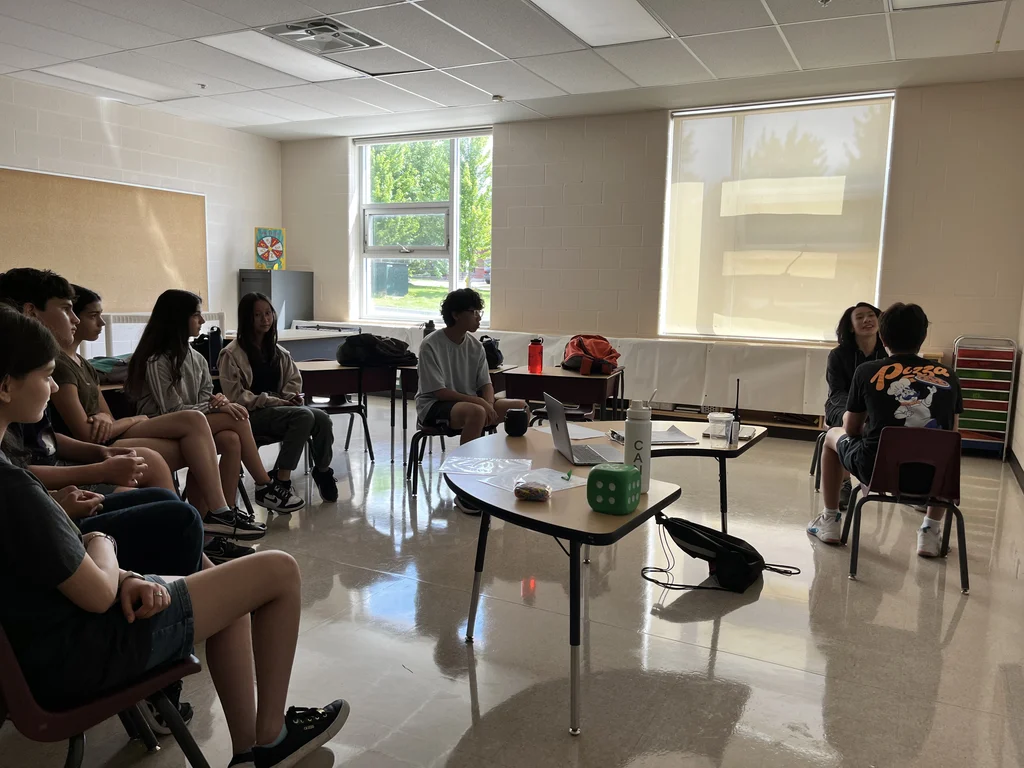 Real leadership stories from camp give teens stronger material for university application essays.
It is much easier for a teen to answer “Describe a time you led others” when they can write about running a camp-wide game for younger campers or calming a nervous child on the first day of camp.
3. Credible references from adults who saw them lead
Teacher-led camps offer something gold for future references: adults who have watched your teen in a leadership role, not just in a classroom. An LIT director can speak to:
- How your teen handles responsibility
- How they respond when a plan changes mid-activity
- How they collaborate with peers and listen to younger campers
That level of detail comes through in recommendation letters and in the way your teen talks about their experience in interviews.
4. Transferable skills universities care about
Research shared by organizations like the National Association for College Admission Counseling notes that many universities rate extracurricular activities as at least “moderately important” in decisions, especially when they show leadership and commitment (NACAC admission factors).
Leadership Camp gives teens daily chances to practice:
- Speaking in front of a group
- Giving and receiving feedback
- Problem-solving when equipment, weather, or group dynamics shift
- Time management across a full, active day
5. Evidence of initiative and community involvement
Universities often ask about “community involvement.” LIT experience at a local camp shows that your teen invested in their own community rather than just chasing line items for a resume. When that experience grows into future part-time work or volunteer coaching during the school year, the story becomes even stronger.
6. A bridge to future roles at school
Teens who learn leadership at camp are more likely to raise their hand for roles at school: club executive, team captain, peer mentor. LIT experience helps prepare teens to apply for future roles at camp and at school.
7. Local options that fit busy family schedules
For York Region families weighing different richmond hill summer camps or summer camps woodbridge, a day camp with a focused LIT stream can check several boxes at once: full-day care, meaningful growth, and future-ready experience for university and work.
Leadership training vs. “just volunteering”
Volunteering is valuable, but not all volunteer hours look the same on an application. Here is a quick comparison.
Typical Volunteering | Leadership in Training Program |
Tasks assigned with limited context | Responsibility within a clear role (e.g., junior counsellor-in-training) |
Little formal coaching or feedback | Regular debriefs with trained staff and teacher directors |
Hours logged; impact harder to describe | Specific outcomes: led games, mentored younger campers, supported campers with different needs |
Reference may only confirm attendance | Reference can describe leadership growth and character in detail |
Both volunteering and LIT experiences matter, but a structured Leadership-in-Training program usually gives teens clearer, more memorable stories for applications.
How admissions teams view leadership
Some Ontario programs still admit almost entirely on grades. Others, especially in business, engineering, and arts or design, use more holistic approaches. For example, the University of Toronto’s Scarborough campus notes that its supplementary application form asks about activities that show learning or leadership potential outside the classroom (UTSC admissions guidance).
Across North America, universities are increasingly open about looking at the whole student: academics, activities, leadership, and context. Articles on holistic admissions highlight leadership as one of the most common tie-breakers when applicants have similar grades.
That does not mean your teen needs to be student council president at three different schools. It does mean that a genuine, sustained leadership experience, like stepping up in Leadership Camp and then continuing in related roles, carries real weight.
How Rouge Camps’ Leadership-in-Training works
At Rouge Camps, our LIT program is built by Ontario Certified Teachers who have spent years helping teens move from camper to leader. The goal is simple: teach “life through camp and sport” in a way that feels fun, challenging, and doable.
A typical week might include:
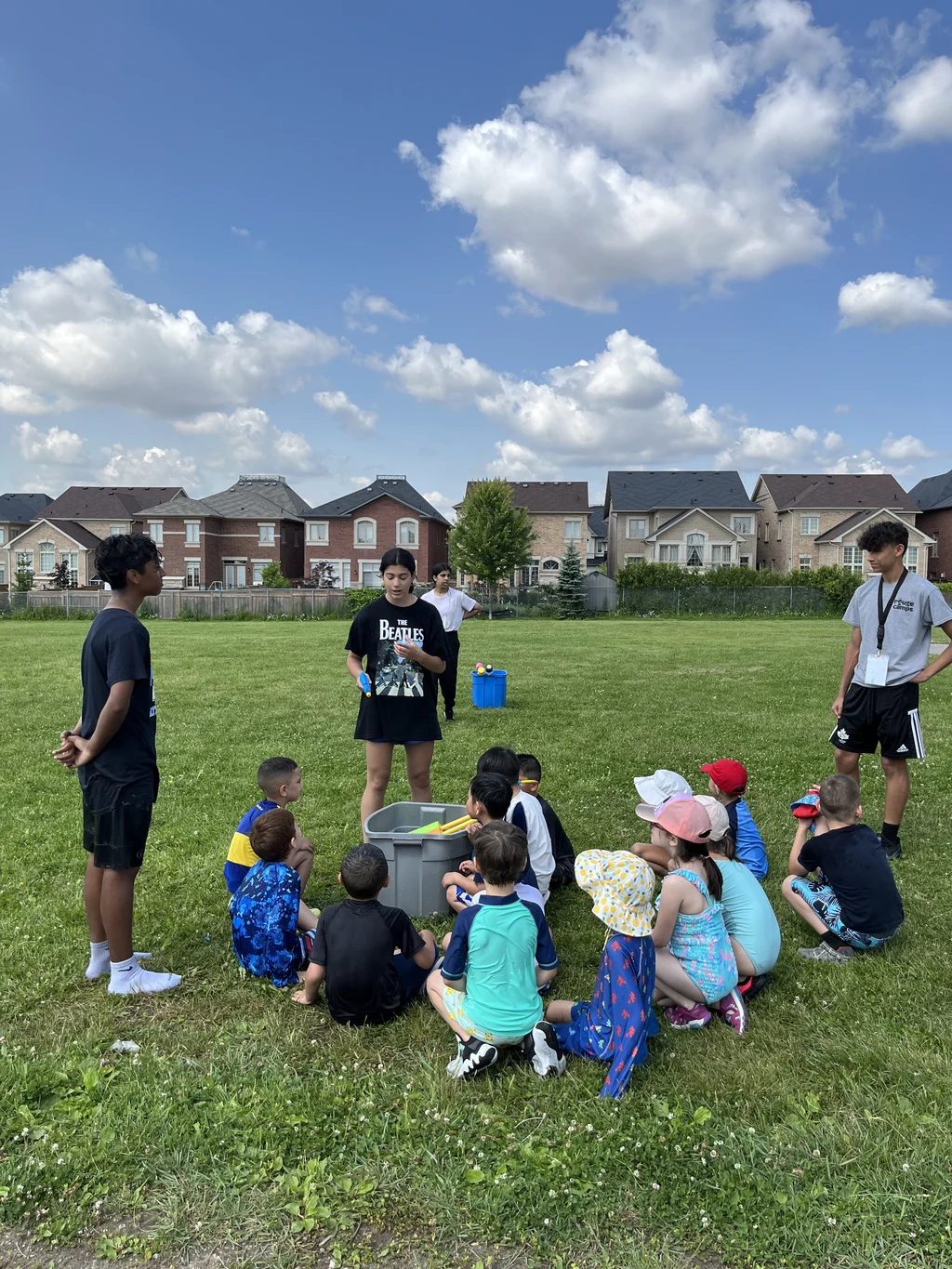 Leadership training for teens comes to life when they guide younger campers through activities on the field.
- Morning leadership sessions on topics like communication, inclusion, and safety
- Practical placements helping in younger camper groups at our Markham/Unionville, Richmond Hill/Maple, or Woodbridge locations
- Daily reflection circles led by teacher-directors
- Capstone projects such as designing and running a camp-wide activity
For example, one former LIT participant (name changed for privacy) arrived at 13 unsure about speaking in front of a group. Over two summers, they practiced leading warm-ups, helping younger campers one-on-one, and co-running a theme day. The following year, they successfully applied to be a junior counsellor and later used those stories when interviewing for a leadership role at school.
The feel is closer to an overnight camp leadership program, but with the convenience of a neighbourhood day camp and the reassurance of safety & supervision.
How to showcase camp leadership on university applications
You can help your teen connect the dots between summer leadership experiences and future applications. Here are a few practical steps.
1. Keep a simple leadership journal
Encourage your teen to jot down a few lines each day at camp: What went well? What was challenging? When did they help someone? Those notes become ready-made material later for personal statements or scholarship essays.
2. Translate camp roles into “application language”
Help your teen describe their role in ways admissions readers understand. For example:
- “Led daily warm-up games for groups of 20+ younger campers.”
- “Mentored a camper with anxiety so they felt safe joining activities.”
- “Worked with a team of counsellors to plan and deliver a camp-wide event.”
3. Stay in touch with references
After a positive summer, encourage your teen to thank their LIT director and ask whether they can reach out in the future for reference letters. Strong references from adults outside school can complement teacher recommendations very effectively.
4. Connect camp to high-school choices
Has your teen enjoyed mentoring younger campers at Leadership Camp? That might be a nudge toward peer tutoring, coaching, or link crew programs at high school. Admissions teams love to see leadership grow over several years, not just one summer.
Is Leadership Camp right for my teen? (FAQ)
What age is best to start?
Most teens are ready around 13–15, when they are old enough to be role models but still benefit from structured guidance. That is exactly the age range for Rouge Camps’ LIT program.
What if my teen is shy?
Some of our best leaders started out as quiet campers. Because LIT happens in a supportive summer-camp setting rather than a formal classroom, many shy teens feel safer taking small risks: leading a warm-up, speaking in a circle, comforting a homesick camper. Confidence builds step by step.
Can one summer really make a difference on a university application?
On its own, one experience will not “guarantee” admission anywhere. But a well-run leadership in training program can:
- Give your teen their first substantial leadership role
- Set them up for future jobs, volunteer work, and school roles
- Provide concrete stories and references when applications start
In our experience, that first nudge often changes the way teens see themselves for years to come.
How do we get started?
If you are comparing richmond hill summer camps or summer camps woodbridge, we are happy to talk through options. You can explore the Rouge Camps Leadership-in-Training program, learn about fee support through Rouge Gives, and register online when you are ready.
Final thought for parents
As a parent, you cannot control every change in admissions rules. You can, however, help your teen collect experiences that grow their confidence, character, and options. A thoughtfully designed Leadership Camp turns “just another summer” into something they will still be talking about when the OUAC portal opens on their screen a few years from now.
FAQs
What is a leadership in training program?
A leadership in training program, often called an LIT program, helps teens move from being campers to becoming young leaders. At a summer camp in Richmond Hill Ontario, teens can build these skills through guided lessons, hands-on camp experience, and feedback from staff as they learn how to communicate, support younger campers, solve problems, and take responsibility in a safe environment.
What age is best for leadership in training?
Most leadership in training programs are designed for teens around ages 13 to 15. At this stage, teens are old enough to act as role models, but still benefit from structure, coaching, and positive adult guidance as they build confidence and leadership skills.
How can leadership training help with university applications?
Leadership training gives teens real examples they can use in applications, essays, interviews, and scholarship forms. Instead of only listing activities, they can describe moments where they led a group, solved a problem, supported younger campers, or took initiative in a meaningful way.
Is leadership camp better than regular volunteering?
Both are valuable, but a structured leadership camp usually gives teens more coaching, responsibility, and reflection than casual volunteering. Teens do not just complete hours; they practise communication, teamwork, decision-making, and mentorship in real situations.
Can shy teens benefit from a leadership in training program?
Yes. Shy teens often grow a lot in leadership programs because they can build confidence step by step. They may start by helping one camper, then leading a small activity, and eventually speaking to a larger group when they feel ready.
What skills do teens learn in a leadership in training program?
Teens learn public speaking, teamwork, problem-solving, time management, conflict resolution, empathy, and responsibility. These skills help them at camp, in school leadership roles, future jobs, and eventually in university or scholarship applications.